

Supervised educational workshops
Our workshops allow a scientific approach based on the direct observation of the animals within the park, with a fallback solution in the shelter if necessary.
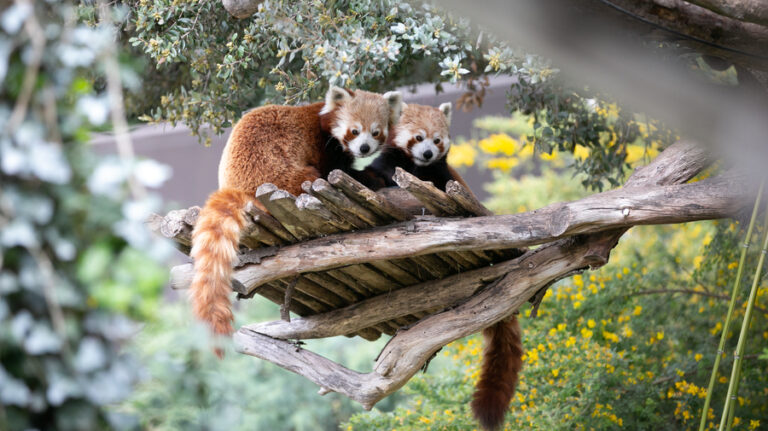
What is my meal?
Understand that animals need food adapted to their diet to live.
Through the observation of our animals and play, discover the different diets and the importance of adapted food.
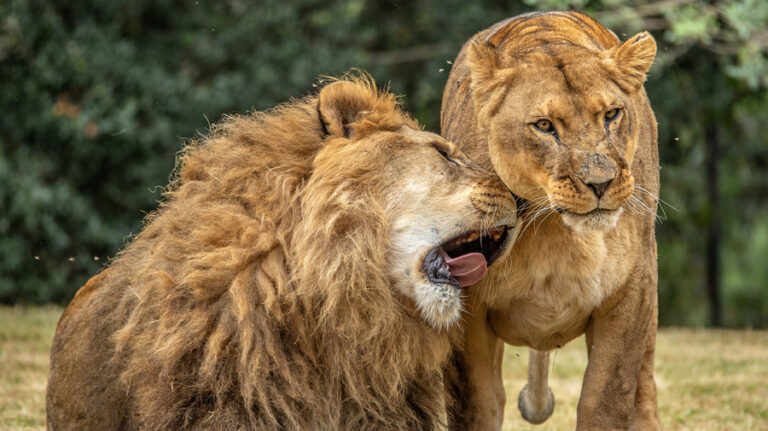
I've got my fangs!
To know diets and to address the notion of chains of predation.
Through the observation of animals and the manipulation of skulls, come and combine diet and physical characteristics of the animals (GS only).
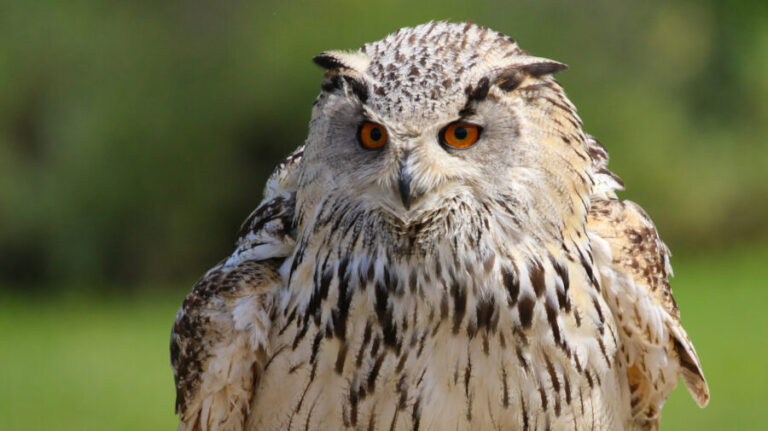
Feathers, hair, scales
Knowing how to group animals according to their characteristics and understand the adaptations to their environment.
Through observation and play, learn to identify the different families according to their characteristics: feathers, hair, scales.
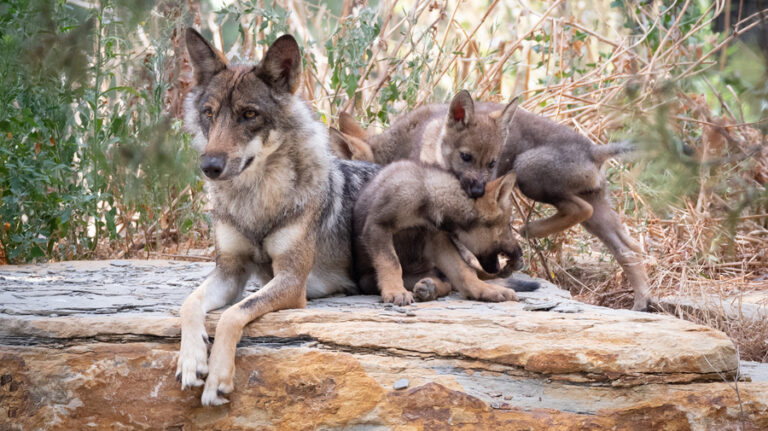
In the footsteps of the wolf
discover who the wolf is, its way of life, its role and its place in nature, far from the traditional stereotype of the wolf in literature.
Through observation, games and manipulation, learn more about this emblematic animal that hides behind the representations of collective culture (MS and GS only).
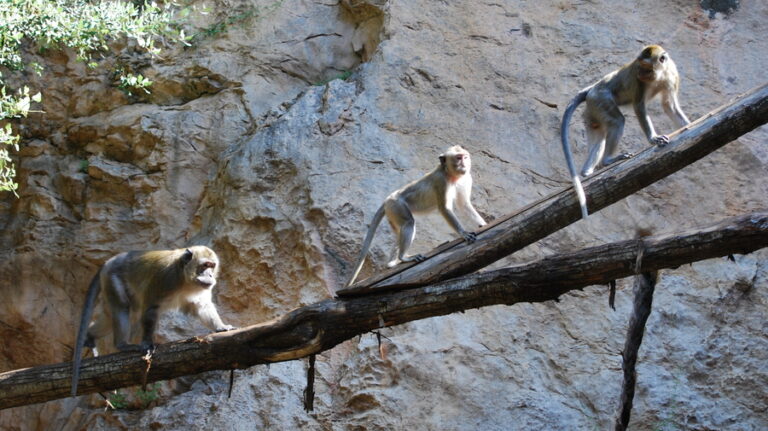
Does an animal move a lot?!
To discover that animals use different ways of moving, in relation to their physical characteristics.
Through the observation of our animals and body experimentation, discover different modes of locomotion.
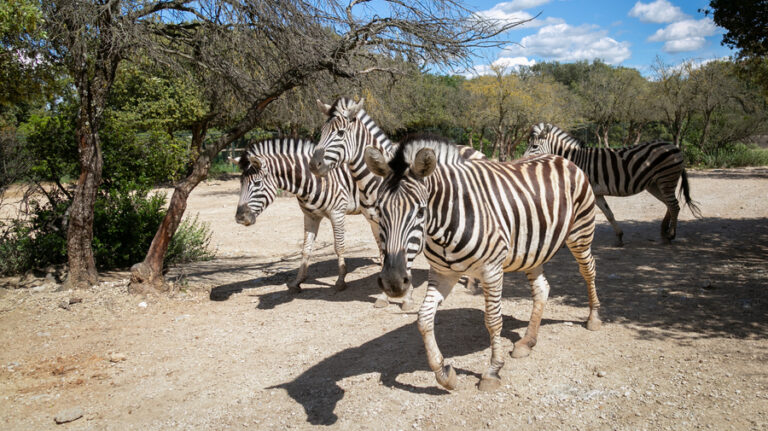
Storytelling tours
Discover distant spaces and their biodiversity through storytelling.
Come and discover the most emblematic or surprising animals and their environment through a storytelling story.
The Life Story
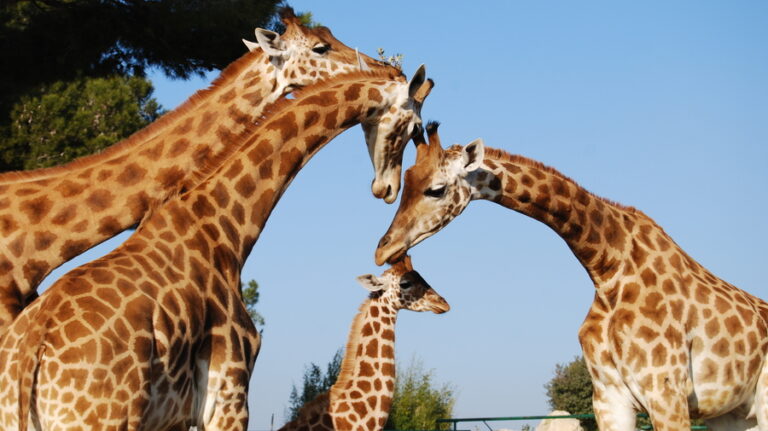
To know the main stages of an animal’s development and to associate modes of reproduction with types of animals.
Through play and manipulation, come and form pairs of animals and discover how their young can grow up and become adults in turn.
I've got my fangs!
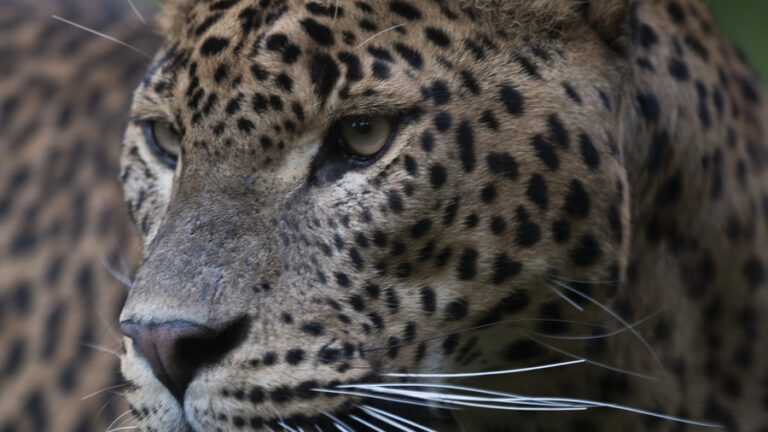
To know diets and to address the notion of chains of predation.
Through the observation of animals and the manipulation of skulls, come and associate diet and physical characteristics and approach the chains of predation in different environments.
Field investigation!
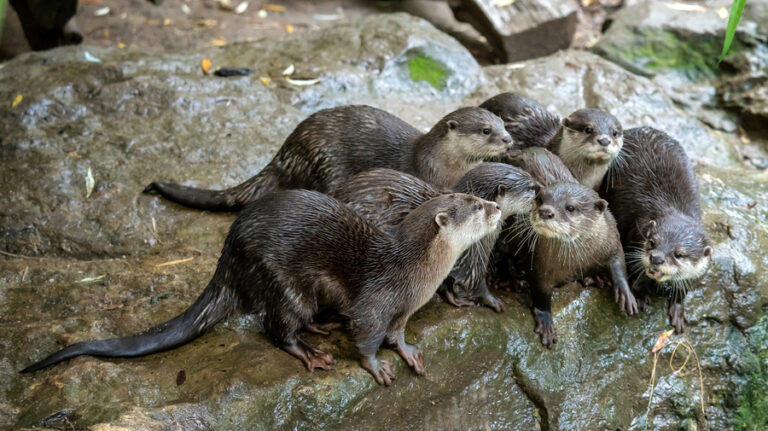
To become aware of the diversity of living beings and to identify interactions with their environment and between them.
Thanks to the clues of the presence of animals in the wild, discover their way of life and their different adaptations (camouflage, defense, locomotion, etc.) through an investigation game.
Biodiversity in danger!
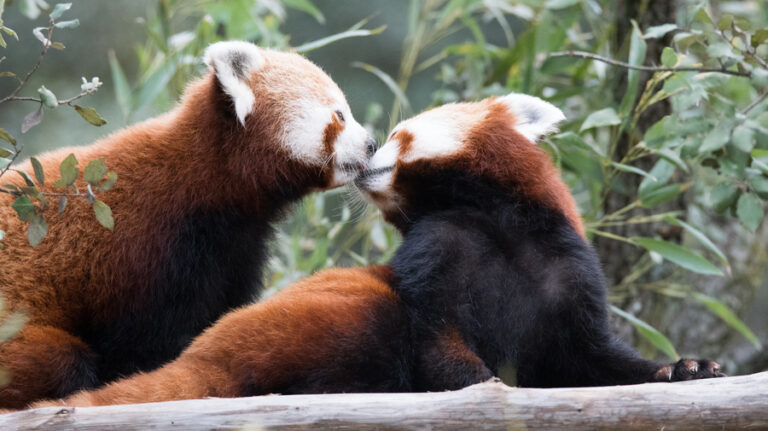
Identify human impacts on the environment and learn how to protect biodiversity.
During a treasure hunt, discover the different threats to wild animals in the wild and the role that each one has to play in the preservation of biodiversity. CE2 only.
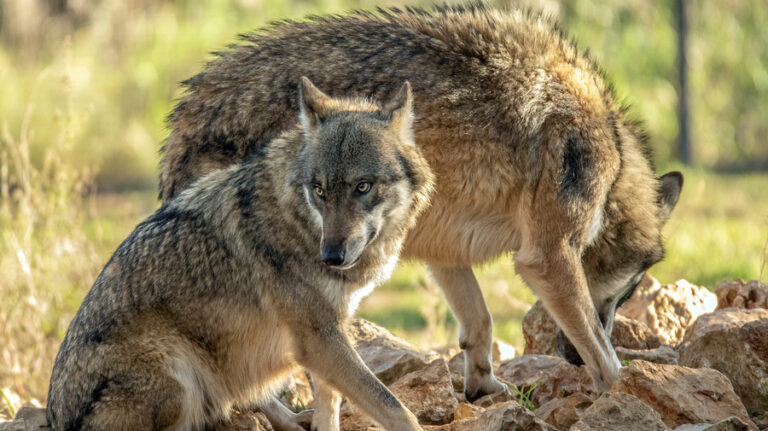
In the footsteps of the wolf
To discover who the wolf is, its way of life, its role and its place in nature, far from the traditional stereotype of the wolf in literature.
Through observation, role-playing and manipulation, learn more about this emblematic animal that hides behind the representations of collective culture.
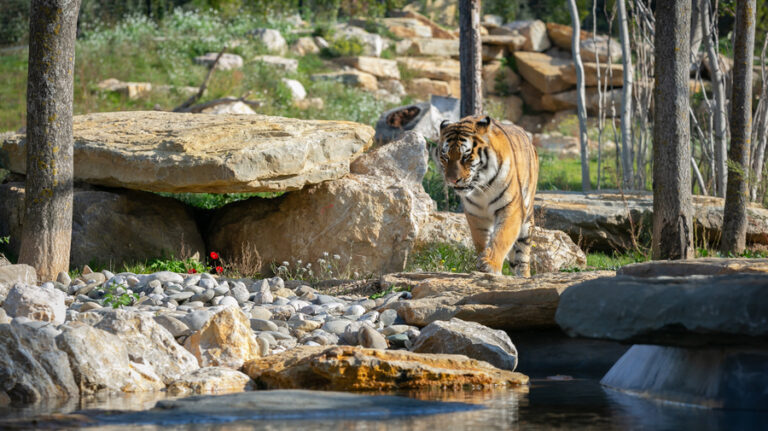
Ethology and well-being
Adopt an ethological observation approach and an ethical and responsible behavior for the respect of the needs of the animals.
Compare the behavior of animals in the wild and in the park, then create an enrichment that will be offered to a species to stimulate it and contribute to its well-being. CE2 only.
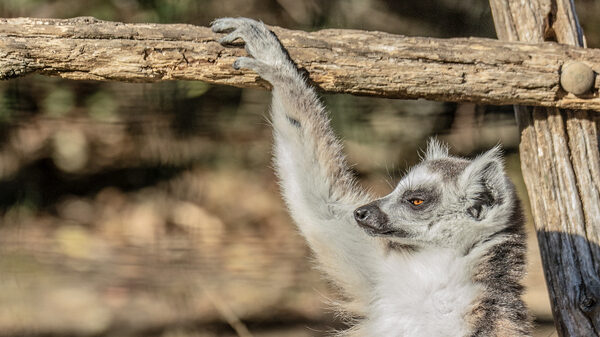
Guided tours
To know some of the world’s landscapes and their biodiversity.
Come and deepen your knowledge of the animals of the chosen theme, their living environment and the interactions between species.
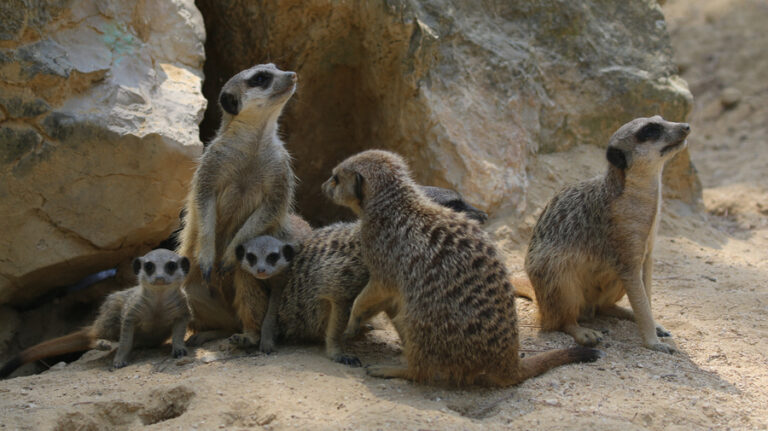
The Life Story
Understand the life cycle and developmental stages of animals.
From birth to death, through growth and courtship, discover the life cycle of some animals through manipulation and play.
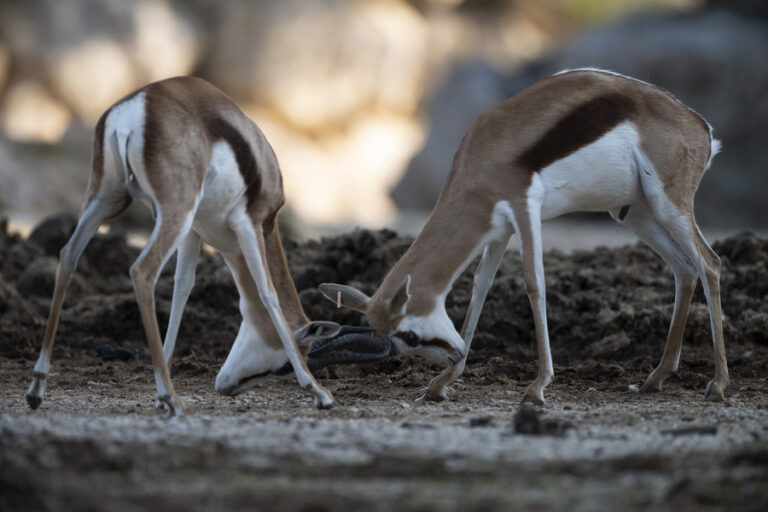
All connected!
To highlight the interdependence of different living beings in a food web.
Through play and observation of animals, discover the role of each living being in a food web.
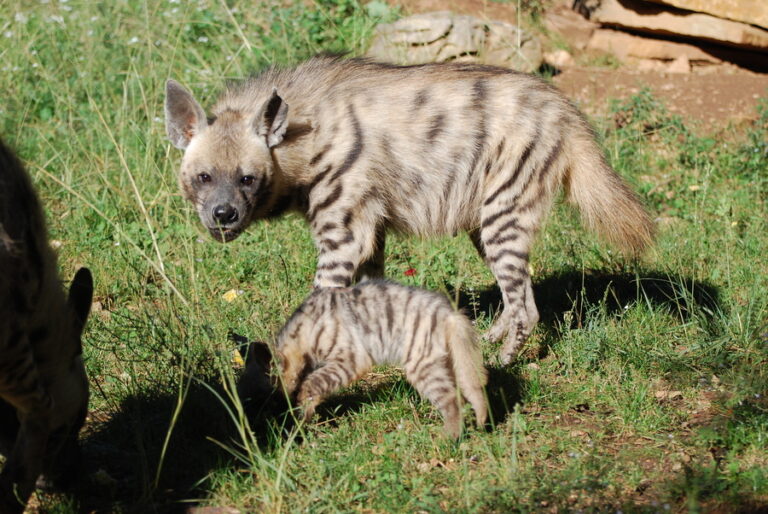
Who are we?
Use different criteria to classify living things by exploiting kinship relationships and the evolution of species.
Through a treasure hunt, discover how the classification of species works and the criteria for classifying living beings in relation to their evolution
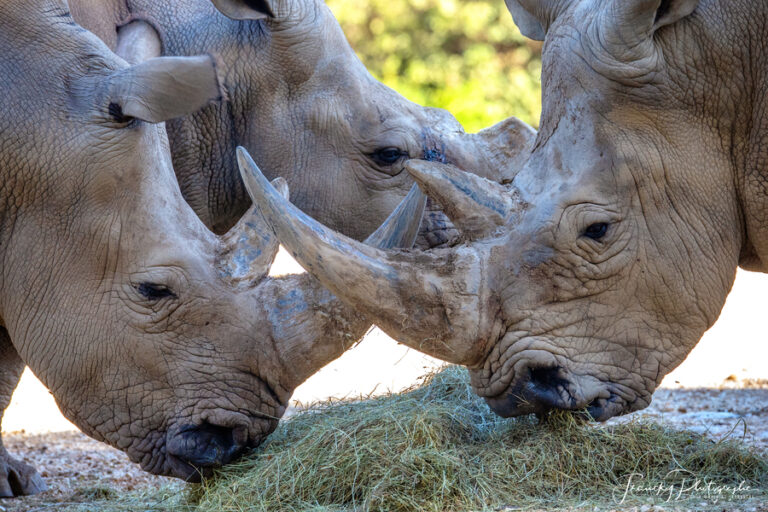
Biodiversity in danger!
Identify human impacts on the environment and learn how to protect biodiversity.
During a treasure hunt, discover the different threats to wild animals in the wild and the role that each has to play in the preservation of biodiversity
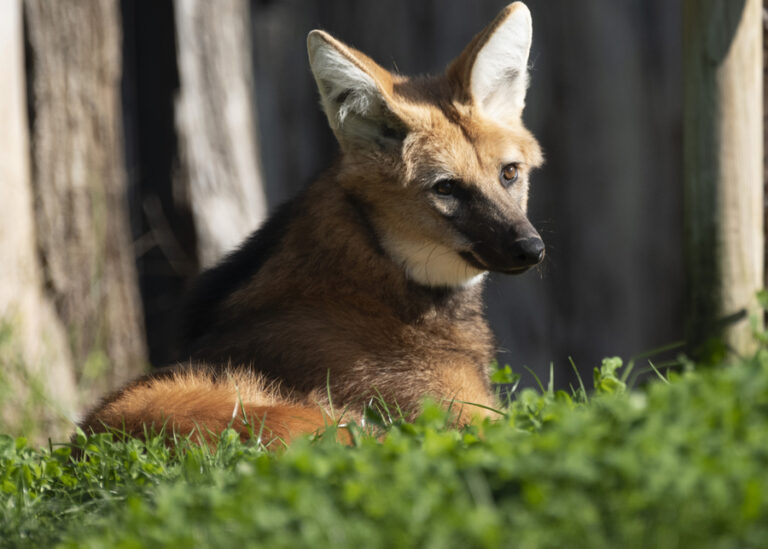
In the footsteps of the wolf
To discover this species, its way of life, its role, far from the traditional stereotype of the wolf in literature.
Through observation, role-playing and handling , learn more about this emblematic animal that hides behind representations of collective culture and its place in ecosystems
Ethology and well-being
Adopt an ethological observation approach and an ethical and responsible behavior for the respect of the needs of the animals.
Compare the behavior of animals in the wild and in the park and create an enrichment that will be offered to a species to stimulate it and contribute to its well-being.
Guided tours
To know some of the world’s landscapes. Discover emblematic species, their role in nature and the impact of humans on biodiversity.
Learn more about the animals on the chosen theme and their natural environment and discover their place in an ecosystem.
I'm creating my Park!
To know the essential needs of some animals and to adopt a responsible attitude in terms of respect for the premises and the protection of living things. Classroom workshop — 1h45 to 2h
Through the design of models, discover the specific needs of certain species and the means put in place by animal parks to satisfy them
The park's professions
Discover the main jobs in the park in order to orient yourself professionally.
Talk to several professionals to understand their background and the constraints of each position.
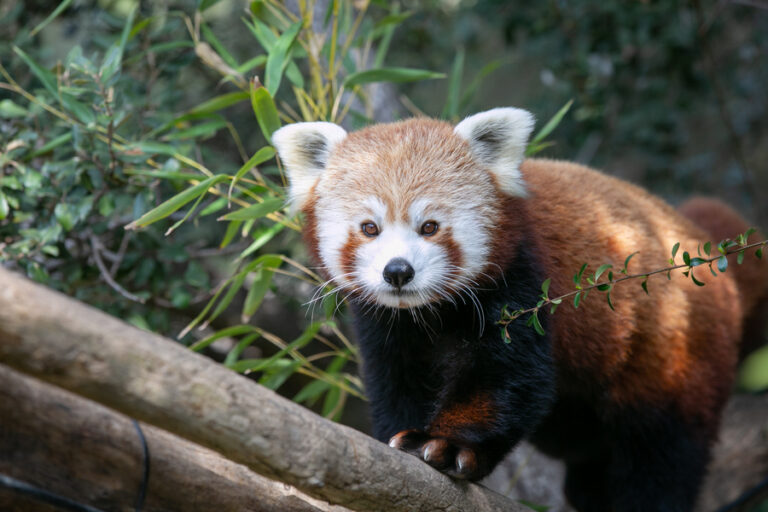
Escape Game ''Z.B.I'' (cohesion game)
Treasure hunt carried out independently in small groups that allows you to discover the problem of animal trafficking.
Animals have just been captured. As agents of the Zoological Bureau of Investigation, lead the investigation to find the trafficker and free the animals!
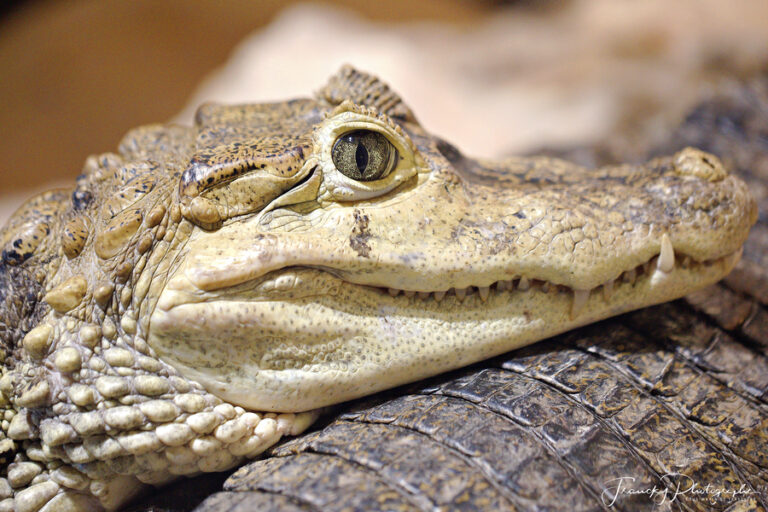
Biodiversity in danger!
Identify human impacts on the environment and learn how to protect biodiversity.
During a treasure hunt, discover the different threats to wild animals in the wild and the role that each one has to play in the preservation of biodiversity.
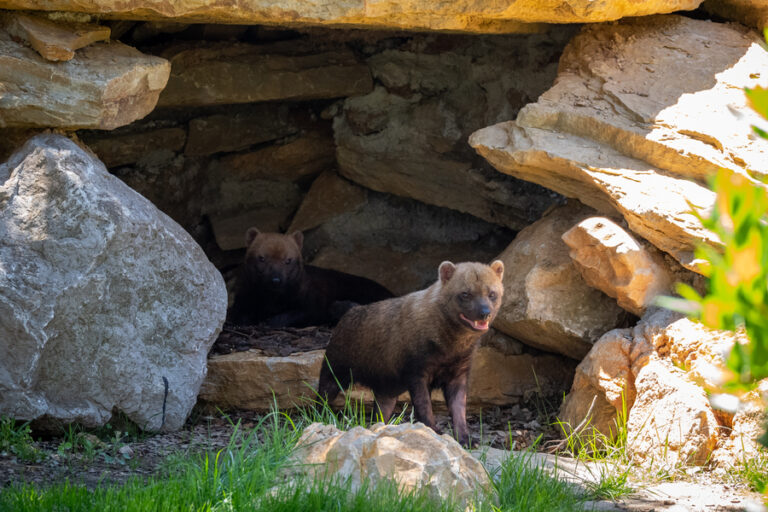
In the footsteps of the wolf
To discover this species, its way of life, its role, far from the traditional stereotype of the wolf in literature.
Through observation, role-playing and manipulation, learn more about this emblematic animal that hides behind representations of collective culture and its place in ecosystems.
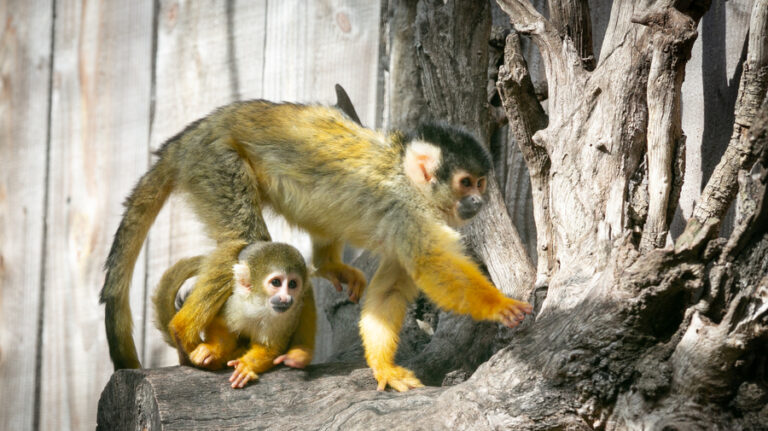
Ethology and well-being
Adopt an ethological observation approach and an ethical and responsible behavior for the respect of the needs of the animals.
Compare the behavior of animals in the wild and in the park and create an enrichment that will be offered to a species to stimulate it and contribute to its well-being.
Guided tours
To know some of the world’s landscapes. Discover emblematic species, their role in nature and the impact of humans on biodiversity.
Learn more about the animals on the chosen theme and their natural environment and discover their place in an ecosystem.
I'm creating my Park!
To know the essential needs of some animals and to adopt a responsible attitude in terms of respect for the premises and the protection of living things. Classroom workshop — 1h45 to 2h
Through the design of models, discover the specific needs of certain species and the means put in place by animal parks to meet them.