





































































Alpaca
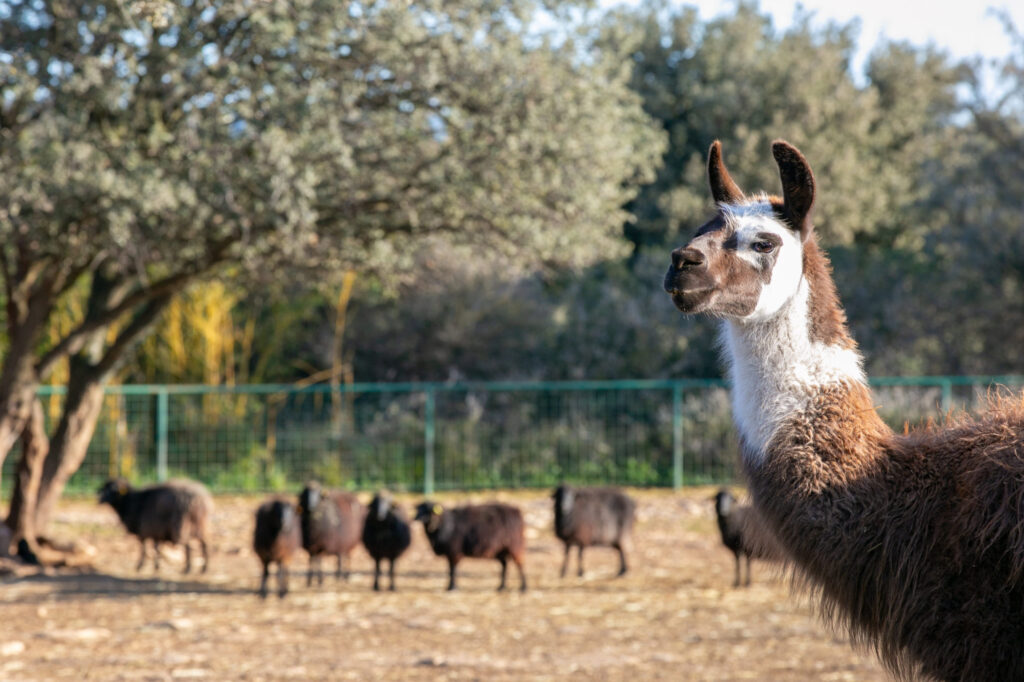
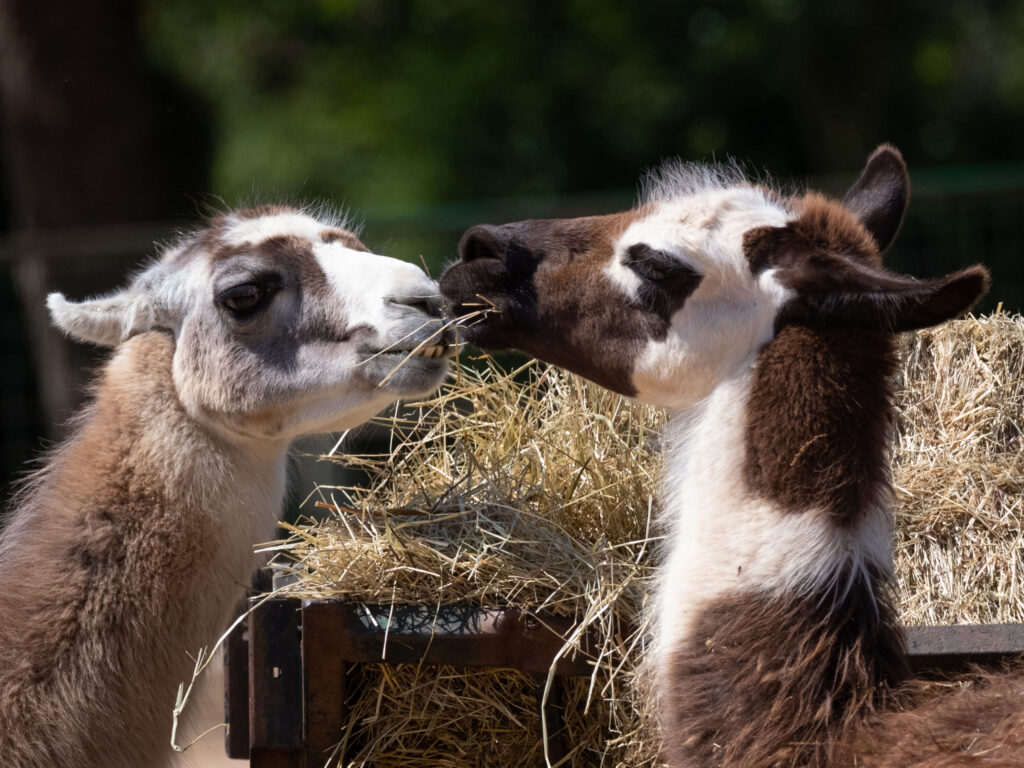
Llama pacos
Distribution
central and southern Andes, from Peru to Argentina.
Habitat
Mountain plain
Gestation
8 – 11 months
Number of pups
1
Longevity
10 to 20 years
Weight
55-70 kg
Size
1.2-2.2 m long, 0.9m high (at the shoulder)
Diet
herbivore
Conservation status
:
Domestic species
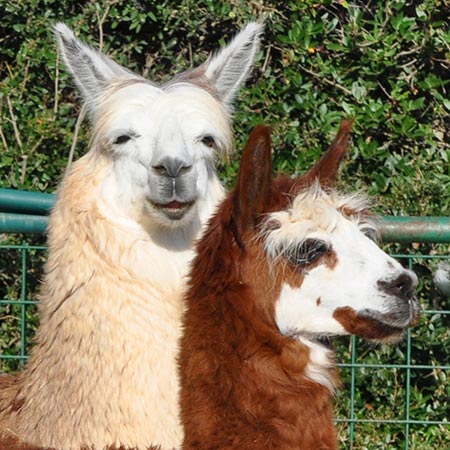
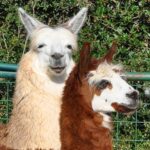
Alpaca
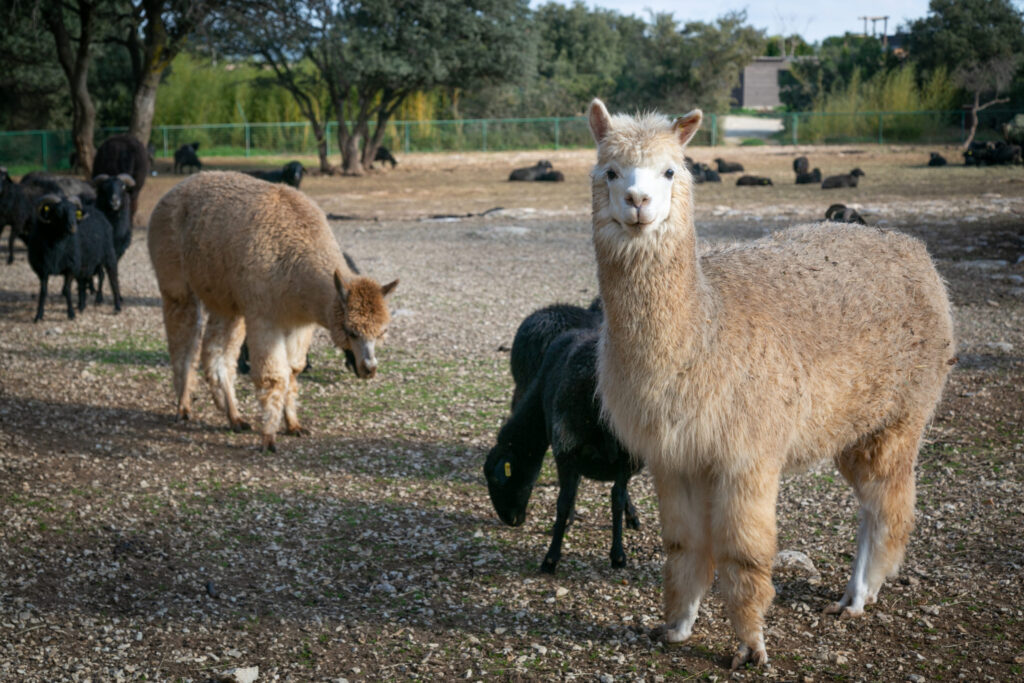
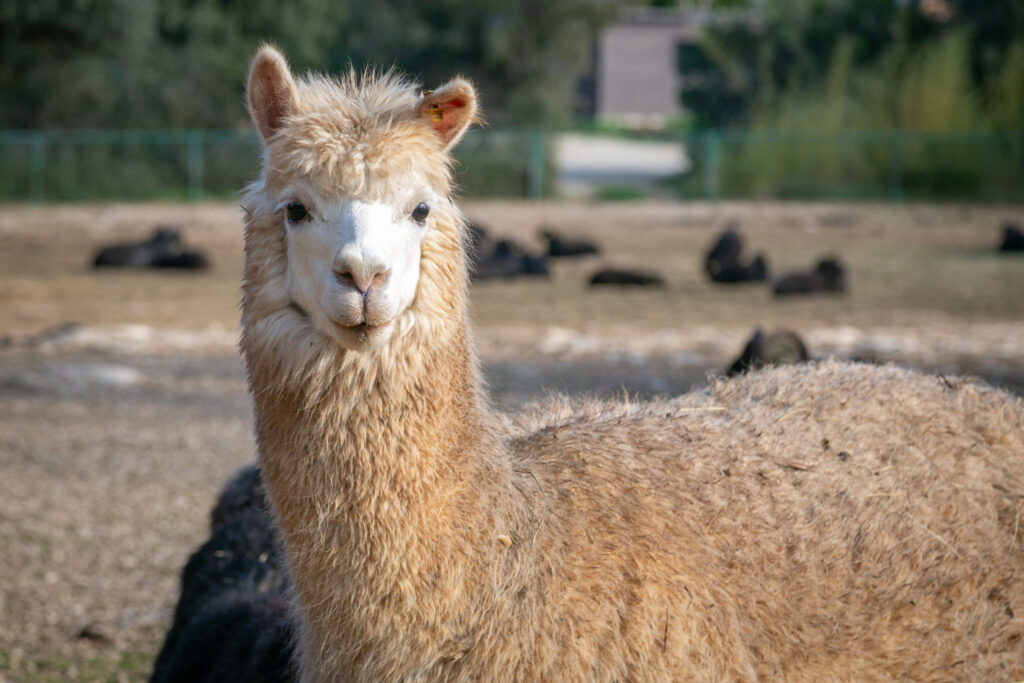
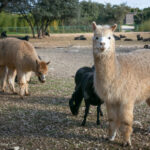
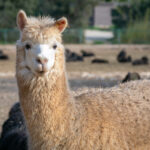
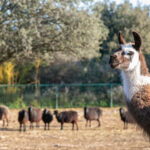
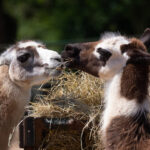
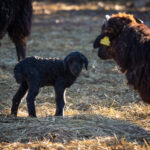
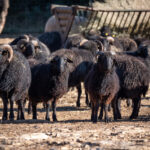
Today, alpacas are mainly bred in the Andes, but they cope with the lack of oxygen associated with altitude thanks to various adaptations, such as a large amount of red blood cells in the blood. Slightly smaller than their cousins the llamas, they provide meat, skin, excrement (used as fuel and fertilizer), and especially wool! Soft and warm, it is one of the thinnest in the world and yet very resistant, which is why it is very popular. At the time of the Inca Empire, it was reserved for royalty!
Domesticated for 6000 years, they are no longer encountered in the wild.
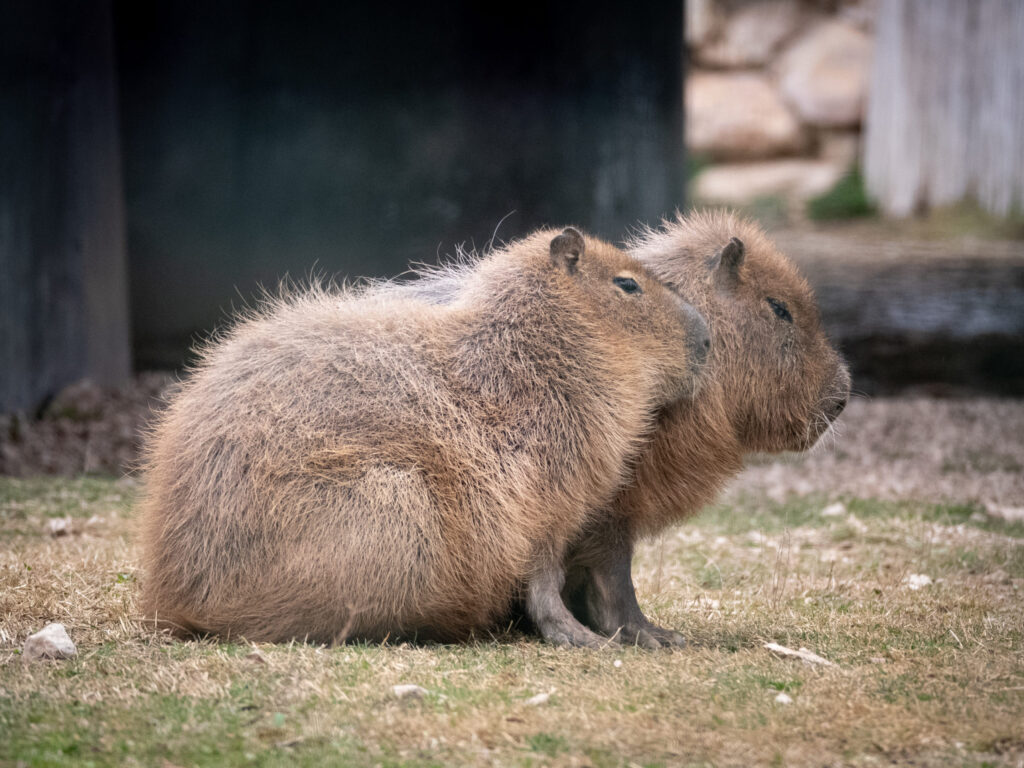
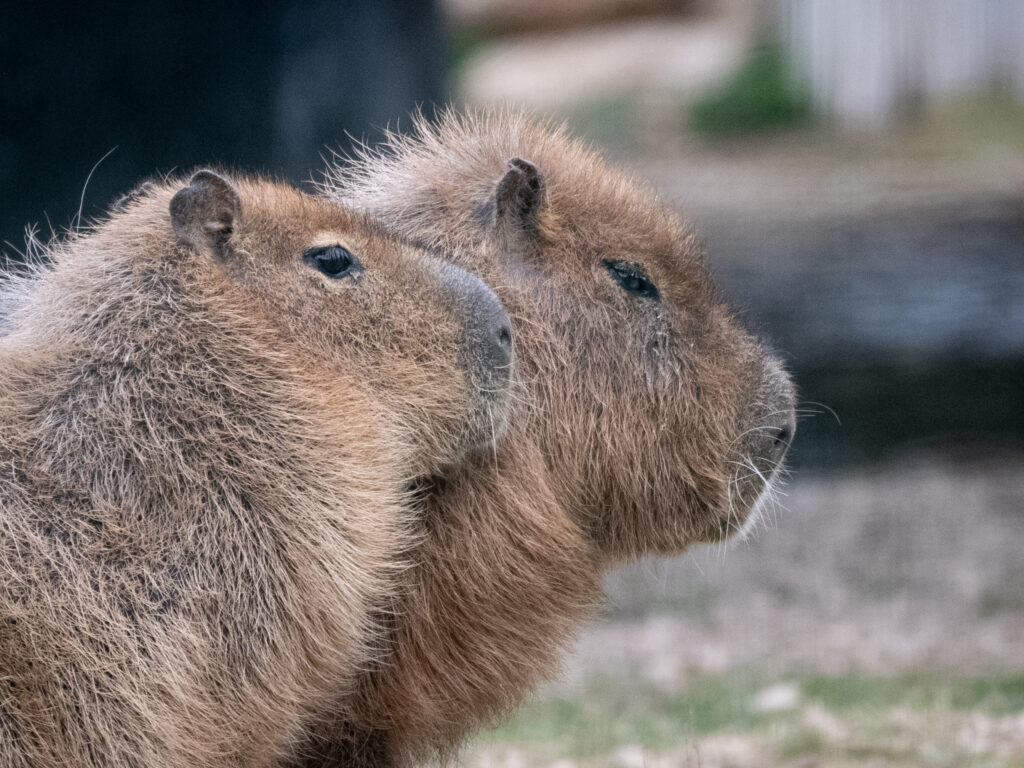
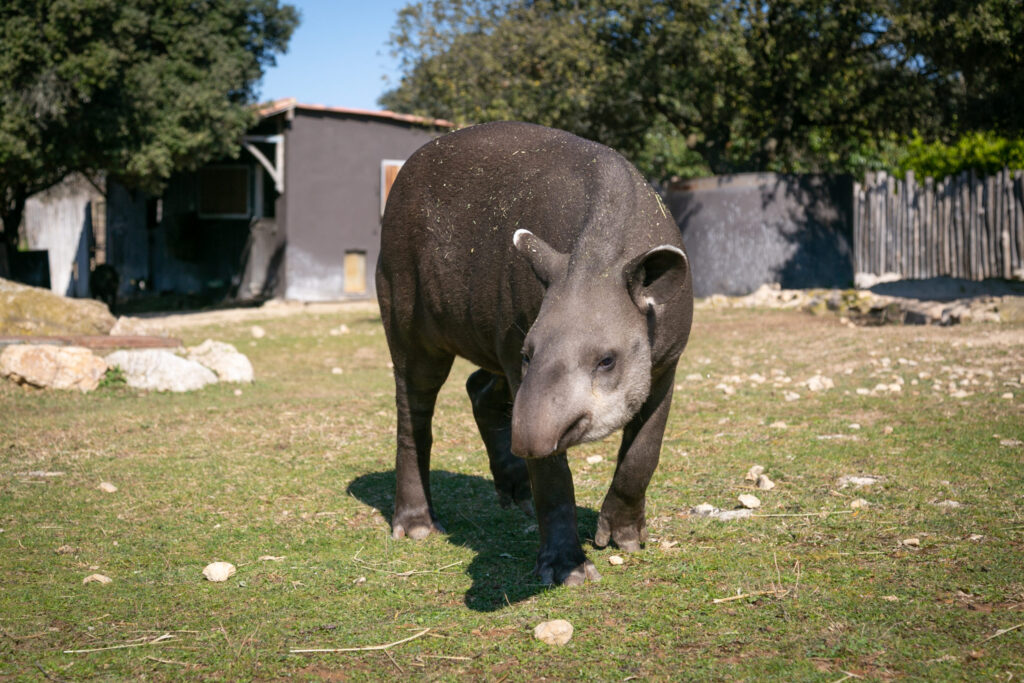
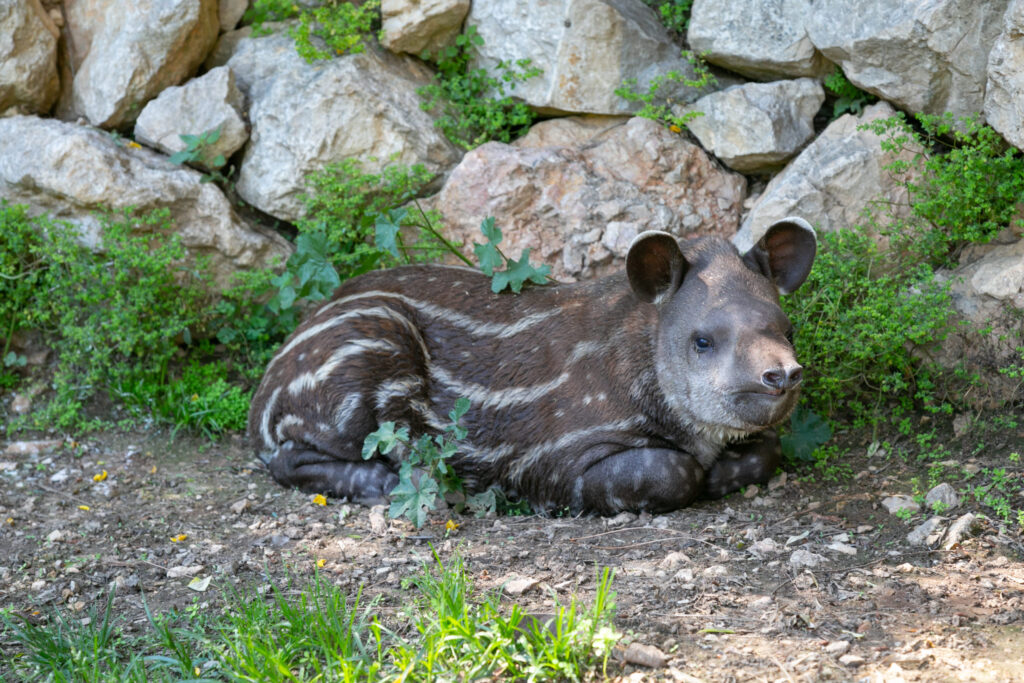
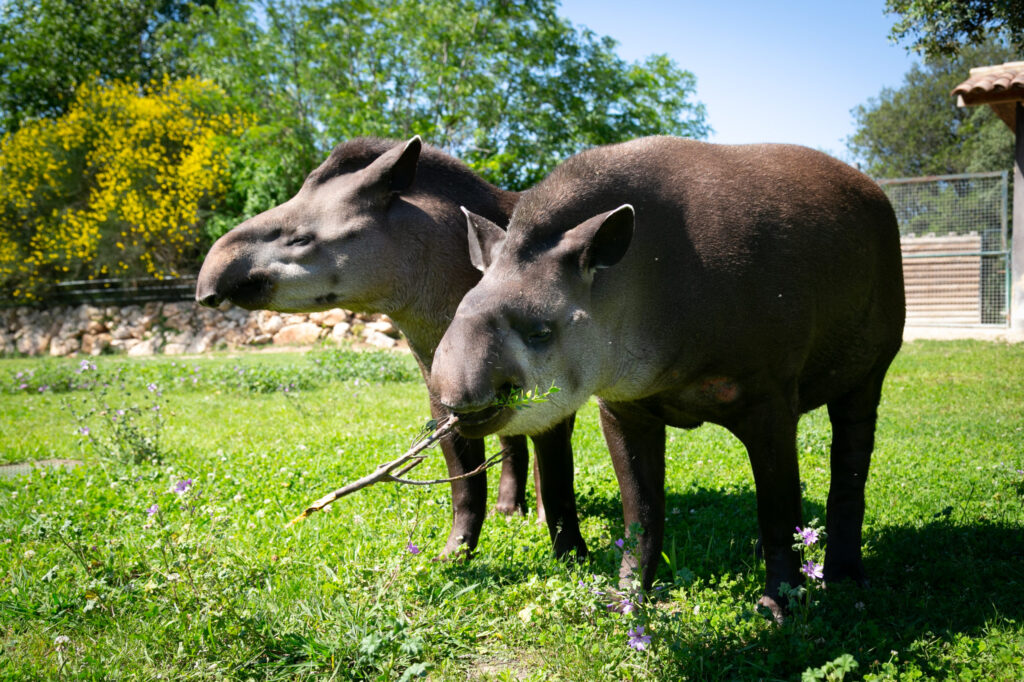
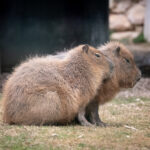
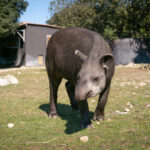
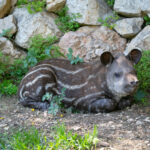
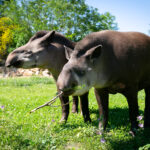
At La Barben Park, alpacas share a park with tapirs and capybaras, other species native to South America!